
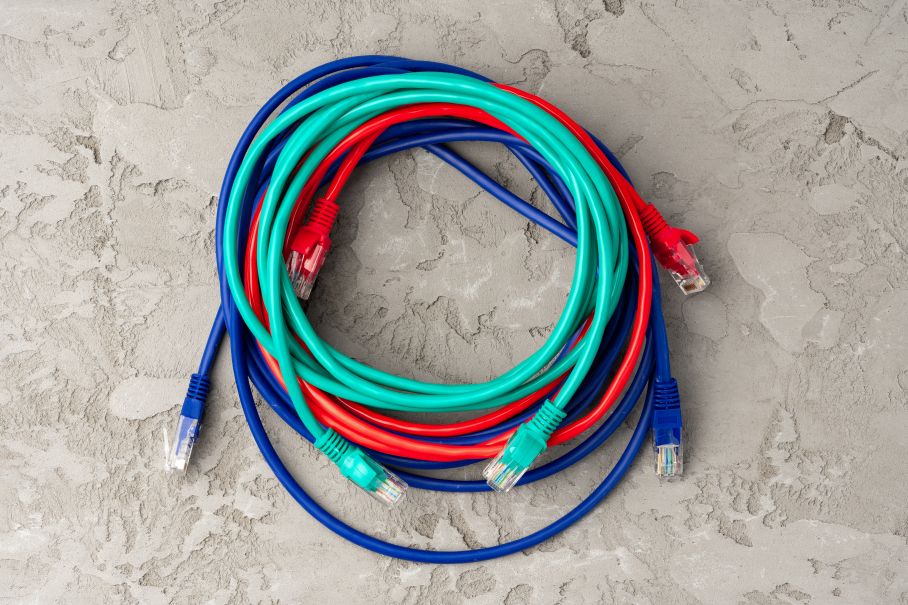
What is structured cabling installation?
Structured cabling installation is a standardized system of organizing and installing network cables that support data, voice, and communication systems within a building or campus.
It connects devices like computers, servers, switches, and routers through one unified infrastructure, making networks more efficient, scalable, and easier to manage.
Quick Answer:
Structured cabling installation is the process of designing and installing a standardized network infrastructure that supports multiple communication systems, ensuring reliable performance, scalability, and easy maintenance.
Why is structured cabling important?
A properly installed structured cabling system helps your network run smoothly today while making future growth easier and more affordable.
- Faster and more reliable data transmission
- Reduced downtime and maintenance costs
- Easier troubleshooting and upgrades
- Long-term scalability for business growth
Quick Answer:
Structured cabling improves network performance, reduces downtime, and supports long-term scalability.
How does structured cabling work?
Structured cabling works by organizing network infrastructure into standardized subsystems, including backbone cabling, horizontal cabling, patch panels, and work area components.
This structure allows data to travel efficiently between devices while keeping the system easy to manage and expand.
Quick Answer:
Structured cabling works by connecting network devices through organized subsystems that improve efficiency, scalability, and performance.
What are the main types of cables used in structured cabling?
Twisted Pair Cable (UTP and STP)
- Common for Ethernet networks
- Cost-effective and flexible
- STP reduces interference
Fiber Optic Cable
- High-speed data transmission using light
- Ideal for long distances
Coaxial Cable
- Used in legacy systems
Ethernet Cables (Cat5e, Cat6, Cat6a, Cat7)
- Cat6 and above recommended for modern networks
Learn more about choosing the right cables on our network cabling solutions page.
Quick Answer:
The main types of structured cabling include twisted pair, fiber optic, coaxial, and Ethernet cables like Cat6 and Cat7.

How to install structured cabling step by step
- Plan your network layout
Identify all devices and plan for future growth. - Design the system
Create cable pathways and structured layouts. - Install cables and hardware
Use proper routing and install racks and patch panels. - Organize and label
Keep everything clearly labeled and structured. - Test and certify
Ensure performance meets standards.
For professional setup, explore our network cabling installation services.
Quick Answer:
Structured cabling installation involves planning, designing, installing, organizing, and testing the network infrastructure.
What are structured cabling best practices?
- Maintain proper cable bend radius
- Avoid interference from power lines
- Use high-quality materials
- Label all cables and ports
- Plan for future expansion
Quick Answer:
Best practices include proper planning, cable management, minimizing interference, and testing the system.
What are the most common structured cabling problems?
1. Poor installation
Leads to signal loss and downtime.
2. Electromagnetic interference
Disrupts network performance.
3. Compatibility issues
Occurs when using mismatched components.
4. Lack of scalability
Limits future growth.
Quick Answer:
Common issues include poor installation, interference, compatibility problems, and lack of scalability.
How long does structured cabling installation take?
The timeline depends on the project size. Small offices may take a few days, while large commercial buildings can take several weeks.
Quick Answer:
Structured cabling installation can take from a few days to several weeks depending on project complexity.
How much does structured cabling installation cost?
Costs vary based on cable type, building size, labor, and complexity. Fiber optic installations typically cost more than copper cabling.
Quick Answer:
Structured cabling costs vary depending on materials, labor, and project size, typically ranging from a few thousand to tens of thousands of dollars.
Structured cabling vs wireless: which is better?
- Structured cabling: Faster, stable, secure
- Wireless: Flexible and convenient
Most businesses benefit from a hybrid setup. Contact our experts for a custom solution through our network cabling consultation page.
Quick Answer:
Structured cabling is better for performance, while wireless offers flexibility. A hybrid network is ideal.
Do you need a professional for structured cabling installation?
Yes. Hiring professionals ensures compliance with industry standards, proper testing, and long-term reliability.
Quick Answer:
Yes, professional structured cabling installation ensures better performance, safety, and scalability.
Conclusion: Build a future-proof network
A structured cabling system is the backbone of any modern network. It ensures speed, reliability, and scalability for years to come.
By following this guide and working with experienced providers, you can create a high-performance network infrastructure tailored to your business needs.
